Source reusable waterproof adult bib for dining, care, and safety
Find 30 options for a reusable waterproof adult bib designed for dining, caregiving, and safety applications. Compare specifications including material, size, and packaging from suppliers in China to identify the best fit for your needs.
Key considerations
Products List


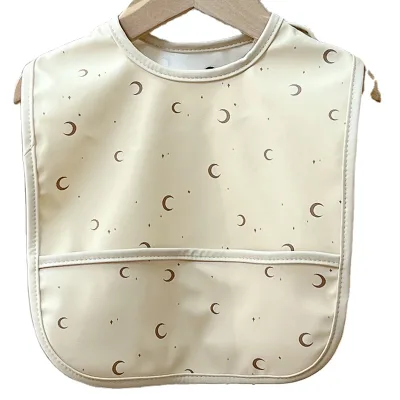


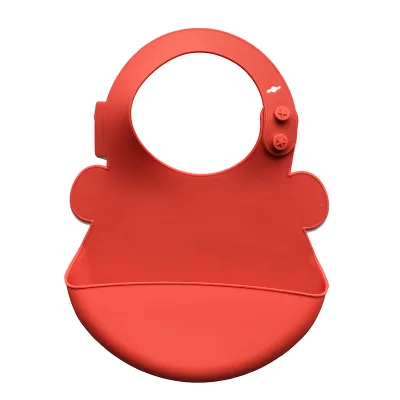



Comprehensive Sourcing Guide
Strategic Sourcing Guide for Reusable Waterproof Adult Bibs
Understanding Product Categories and Material Composition
When sourcing reusable waterproof adult bibs, buyers must first distinguish between disposable and reusable variants, as the supply chain dynamics differ significantly. The market contains products labeled as "Disposable Towel" made from wood pulp paper and PE, which are distinct from the target reusable category. For the specific requirement of a reusable waterproof adult bib, the primary material of interest is silicone, which offers durability and ease of cleaning compared to non-woven fabrics or paper-based alternatives.
The supplied data indicates a specific product segment where the material is explicitly listed as "Silicone." This material choice is critical for the "Waterproof" function observed in the product attributes. Silicone provides a non-porous surface that prevents liquid absorption, a key requirement for adult care and kitchen safety applications. In contrast, other listed items in the dataset utilize "Non-woven Fabric" or "Wood Pulp Paper + PE," which are typically associated with single-use or semi-disposable applications. Buyers must verify that the supplier's silicone products are explicitly marked as "Non-Disposable" to ensure they meet the longevity requirements of a reusable item.
The weight of the product is a significant indicator of material density and quality. In the observed dataset, silicone-based bibs show weights ranging from 48g to 80g. For instance, a model with dimensions of 3449.5cm weighs 60g, while a larger variant at 3123cm weighs 80g. These variations suggest that buyers should not assume a standard weight but rather evaluate the weight-to-size ratio to determine if the silicone thickness is sufficient for repeated use without tearing. A heavier weight often correlates with a thicker, more durable silicone layer, which is essential for the "Safety & Protective" usage category.
Technical Specifications and Dimensional Standards
Precision in technical specifications is paramount when ordering reusable bibs for adult use. The dataset reveals a variety of dimensions, highlighting the need for buyers to specify exact size requirements based on the target demographic. Observed sizes include 24X38, 3123cm, 23.835.5+5cm, and 34*49.5cm. The variation in these measurements indicates that a "one-size-fits-all" approach may not be viable for all adult users, particularly those with specific dietary or mobility needs.
The "3449.5cm" dimension represents a larger coverage area, likely suitable for heavy-duty kitchen use or for adults requiring maximum protection. Conversely, the "23.835.5+5cm" specification suggests a design that may include an expandable or adjustable feature, denoted by the "+5cm" notation. This could refer to a stretchable neckband or an extendable front panel, which is a valuable feature for ensuring a secure fit. Buyers should request detailed dimension diagrams from suppliers to understand how these measurements translate to the actual product coverage.
Packaging specifications also play a role in the logistical handling of these items. The data shows packaging options ranging from "1 PC/Zipper Polybag" to "1PCS/Frosted Zipper Bag" and "1PCS/OPP Polybag." For reusable items, the packaging must protect the silicone from dust and deformation during transit. The "Frosted Zipper Bag" and "Zipper Polybag" options are preferable as they offer better sealing and reusability for the end-user, aligning with the sustainable nature of the product. Buyers should verify that the packaging material is compatible with the silicone to prevent any chemical interaction or residue transfer.
Compliance, Certification, and Safety Verification
Ensuring that reusable adult bibs meet safety standards is a critical step in the procurement process. While the dataset mentions "Latex-Free: Yes" as a key attribute, this is a baseline requirement for many users with allergies. However, for silicone products intended for food contact or prolonged skin contact, additional verification is necessary. The dataset lists "CE" as a low-confidence background certification, meaning buyers cannot rely on this alone without further validation from the supplier.
Buyers must explicitly request documentation for food-grade silicone compliance, such as FDA (Food and Drug Administration) approval or LFGB (German Food and Feed Code) certification. These standards ensure that the silicone does not leach harmful substances when exposed to heat, oils, or acidic foods, which is common in kitchen and feeding scenarios. The "OEM" standard listed in the data suggests that many suppliers operate on an Original Equipment Manufacturer basis, allowing for customization but requiring rigorous quality checks to ensure the base material meets international safety norms.
Furthermore, the "Waterproof" attribute must be validated through practical testing. While the product listing claims this function, buyers should request test reports or conduct their own sampling to verify that the seams and edges do not allow liquid seepage. For adult care applications, the material must also be resistant to stains and odors, which are common issues with lower-quality silicone. The "Logo Printing" capability mentioned in the data indicates that customization is available, but buyers must ensure that the inks used for printing are also non-toxic and durable, adhering to the same safety standards as the base material.
Cost Drivers and Pricing Dynamics
The pricing of reusable waterproof adult bibs is influenced by several factors, including material quality, production complexity, and order volume. The observed price range in the dataset spans from 0 to 2.76 USD, but this wide range likely includes both disposable and reusable items, as well as variations in order quantities. For reusable silicone bibs, the cost is generally higher than disposable paper or non-woven alternatives due to the raw material cost of medical-grade or food-grade silicone.
The Minimum Order Quantity (MOQ) is another significant cost driver. The dataset shows an MOQ range of 1 to 200,000 units. A low MOQ of 1 allows for sampling and small-batch testing, which is ideal for new buyers or those with limited budget constraints. However, for bulk procurement, higher MOQs often result in a lower unit price. Buyers should negotiate based on their projected annual demand to secure better pricing tiers. The "Customization" attribute also impacts cost; adding custom logos, colors, or specific dimensions will typically increase the unit price and may require a higher MOQ to amortize the setup costs.
It is essential for buyers to understand that the lowest price does not always equate to the best value. A bib priced at the lower end of the spectrum may use lower-grade silicone that degrades quickly or lacks the necessary thickness for durability. Conversely, a higher-priced item with a weight of 80g and robust packaging may offer a longer lifespan, reducing the total cost of ownership. Buyers should calculate the cost per use rather than just the unit price to make an informed decision.
Supplier Evaluation and Quality Control Protocols
Selecting the right supplier requires a thorough evaluation of their capabilities, particularly regarding their experience with silicone products. The dataset indicates that products originate from "Zhejiang, China," a region known for its manufacturing prowess. However, buyers should not assume that all suppliers in this region have the same quality standards. It is crucial to verify the supplier's production capacity, quality control processes, and ability to meet specific customization requirements.
Quality control should begin with the raw material verification. Suppliers should provide certificates of analysis for the silicone used, confirming it is free from BPA, phthalates, and other harmful chemicals. During the production phase, buyers should request in-process quality checks to ensure consistent weight and dimensions. The weight variations observed in the dataset (48g to 80g) highlight the importance of maintaining strict tolerances. A supplier that can consistently produce items within a narrow weight range demonstrates better process control.
Packaging and shipping are also critical aspects of quality control. The "Ocean" packing method listed suggests that products are shipped via sea freight, which requires robust packaging to prevent damage. Buyers should ensure that the "500PCS/PE Bag" or "1 PC/Zipper Polybag" packaging is secure and that the cartons are sturdy enough to withstand long-distance transport. The "Carton Size: 51X30X25cm" provides a reference for logistics planning, but buyers should confirm that the actual carton dimensions match the supplier's specifications to avoid unexpected shipping costs.
Long-Term Procurement and Application Strategy
The long-term success of sourcing reusable waterproof adult bibs depends on aligning the product with specific application scenarios. The dataset lists "Kitchen, Safety & Protective" and "Sanitary" as primary usage categories. In a kitchen setting, the bibs must withstand frequent washing and exposure to various food substances. For sanitary applications, such as adult care or medical settings, the focus is on hygiene, ease of cleaning, and comfort.
Buyers should consider the lifecycle of the product. A reusable bib should be designed to last for hundreds of wash cycles without losing its waterproof properties or structural integrity. The "Simple" style and "Unisex" gender classification suggest a versatile design that can be used across different demographics, which is beneficial for bulk procurement in institutional settings. The "Custom" color option allows for branding or color-coding, which can be useful in facilities where different colors indicate different usage levels or patient needs.
Sustainability is a growing consideration in procurement. By choosing reusable silicone bibs over disposable paper or non-woven alternatives, buyers can significantly reduce waste. However, this benefit is only realized if the bibs are durable enough to replace multiple disposable units. Buyers should establish a replacement schedule based on the wear and tear observed in initial trials. Additionally, the "Logo Printing" feature can be leveraged for corporate branding or institutional identification, adding value beyond the functional aspect of the product.
Comparative Analysis of Product Attributes
To facilitate decision-making, the following table summarizes the key attributes observed in the dataset, highlighting the distinctions between different product types and specifications. This comparison aids in identifying the most suitable options for specific procurement needs.
| Attribute | Product A (Silicone) | Product B (Non-Woven) | Product C (Paper/PE) |
|---|---|---|---|
| Material | Silicone | Non-woven Fabric | Wood Pulp Paper + PE |
| Type | Bib | Bib | Disposable Towel |
| Disposable | Non-Disposable | Non-Disposable | Disposable |
| Weight | 48g - 80g | 48g | 6.4g - 7.4g |
| Size Range | 23.835.5+5cm to 3449.5cm | 24X38 | 35*47cm |
| Packing | Zipper/Frosted/OPP Polybag | 500PCS/PE Bag | 500PCS/PE Bag |
| Function | Waterproof | Waterproof | Not specified |
| Usage | Kitchen, Safety, Sanitary | Kitchen, Safety | Commercial Use |
| Customization | Logo Printing, Color | Logo Printing | Available |
This table illustrates that while multiple products share the "Waterproof" and "Kitchen" attributes, the material and durability differ significantly. Silicone products (Product A) are the only ones explicitly listed as "Non-Disposable" with weights suitable for heavy-duty reuse. Non-woven fabrics (Product B) offer a middle ground but may not match the longevity of silicone. Paper-based products (Product C) are clearly intended for single-use scenarios and should be excluded from reusable procurement strategies.
In conclusion, sourcing reusable waterproof adult bibs requires a meticulous approach that prioritizes material quality, safety compliance, and long-term value. By leveraging the specific attributes observed in the market and adhering to rigorous quality control standards, buyers can secure products that meet the demanding needs of adult care and kitchen safety applications. The focus should remain on verifying supplier capabilities and ensuring that the final product aligns with the intended usage and sustainability goals.
FAQs
What material is used for reusable waterproof adult bibs?
Silicone is the primary material for reusable waterproof adult bibs, offering durability and non-porous surfaces. This contrasts with disposable options made from wood pulp paper or non-woven fabric, which are not suitable for repeated use.
Which sizes are available for silicone adult bibs?
Available sizes include 24X38, 31*23cm, 34*49.5cm, and 23.8*35.5+5cm. Buyers should verify specific dimensions as variations exist to accommodate different coverage needs and user preferences.
Can these bibs be customized with logos and colors?
Yes, customization is available for logos and custom colors. Suppliers offer logo printing services, allowing buyers to brand the products while maintaining the waterproof and sanitary functions required for kitchen or safety applications.
How are reusable silicone bibs packaged for shipping?
Packaging options include 1 PC/Zipper Polybag, 1PCS/Frosted Zipper Bag, and 1PCS/OPP Polybag. These methods protect the silicone from dust and deformation during transit, ensuring the product arrives in pristine condition.
What is the weight range for these silicone bibs?
The weight ranges from 48g to 80g depending on the model and dimensions. Heavier weights often indicate thicker silicone layers, which correlate with better durability and suitability for heavy-duty kitchen or safety uses.
Are these bibs latex-free and safe for adults?
Yes, the products are explicitly marked as latex-free and suitable for adults. This ensures safety for users with allergies while providing the necessary sanitary protection for kitchen or care environments.